Soft Enamel vs Hard Enamel Pins: Cost, Durability and Best Uses
 By Sunny Huang
The short answer: choose soft enamel when you want noticeable metal texture, bold color separation and a cost-effective finish for promotions or merchandise. Choose hard enamel when you want a smooth, polished surface for premium retail, corporate identity or pins that will be worn frequently.
The better process still depends on the artwork, quantity, target price and product use. This buyer guide compares how soft and hard enamel pins look, feel, wear and affect production so you can request the right specification before tooling begins.
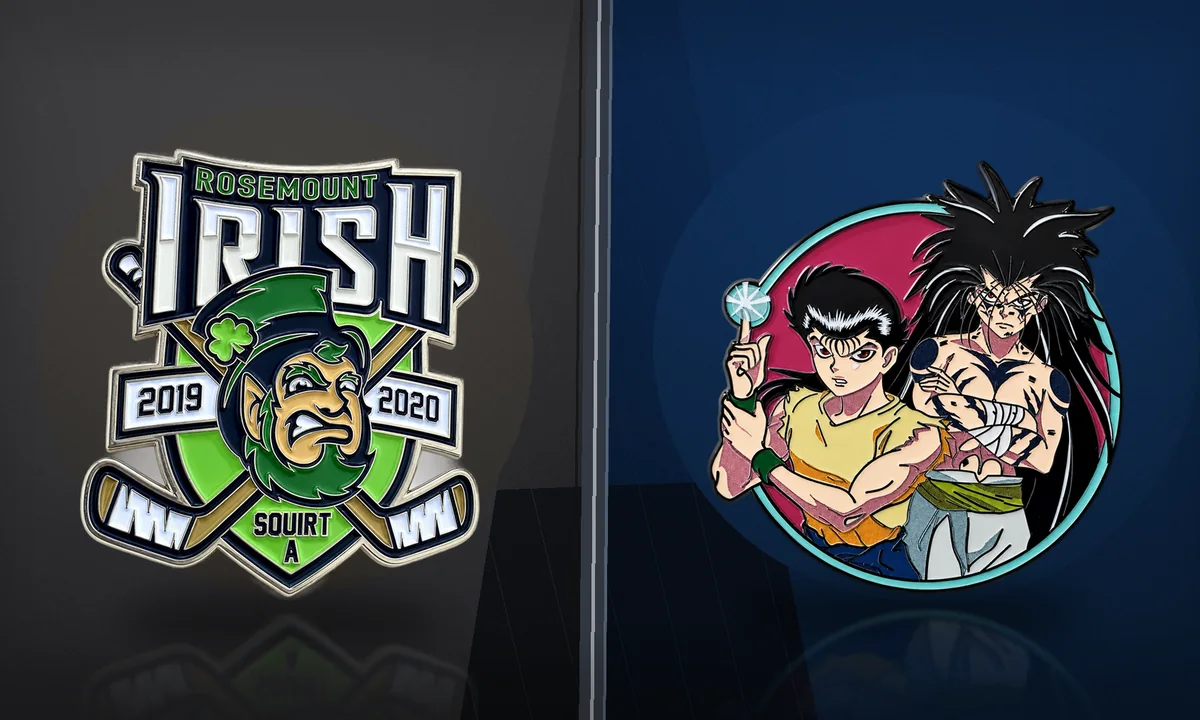
Soft Enamel vs Hard Enamel Pins at a Glance
| Buying Factor | Soft Enamel Pins | Hard Enamel Pins |
|---|---|---|
| Surface feel | Textured; color sits below raised metal lines | Smooth; enamel and metal are polished nearly level |
| Visual style | Bold outlines, deeper shadows and stronger relief | Clean, flat and jewelry-like presentation |
| Relative cost | Usually more economical | Usually higher because of extra filling and polishing |
| Wear resistance | Good for normal promotional and merchandise use | Better resistance to everyday surface wear |
| Best applications | Events, clubs, giveaways, fan merchandise and bold artwork | Retail, corporate identity, recognition and premium collections |
| Optional coating | Epoxy can protect recessed colors and create a domed surface | Normally does not need epoxy |
| Design character | Texture is part of the design | Smoothness and precise polishing are part of the design |
What Are Soft Enamel Pins?
Soft enamel pins use raised metal borders to separate recessed color areas. After the metal base is stamped or cast and plated, enamel is filled below the top of those borders. You can see and feel the difference in height between the color and the metal.
This construction creates small highlights and shadows that make outlines look more pronounced. It is especially effective for mascots, sports graphics, event icons, lettering and designs where the metal itself should remain visible. Soft enamel does not mean the finished pin is flexible; the name describes the recessed enamel surface.
When Soft Enamel Pins Work Best
Soft enamel is a practical choice when texture supports the design or when unit cost matters across a larger quantity. Buyers commonly select it for trade shows, school clubs, sports teams, tourism souvenirs, fan products, fundraising campaigns and distributor programs.
- Promotional orders: the process balances color impact with an economical finish.
- Artwork with strong outlines: raised borders keep separate color areas clear.
- Vintage or dimensional styling: recessed enamel gives the surface visible depth.
- Design testing: buyers can evaluate size, plating and color before committing to a premium treatment.
What Are Hard Enamel Pins?
Hard enamel pins are filled in stages and polished so the enamel and metal borders sit at nearly the same level. The surface feels smooth when a finger moves across it. This process is also known as imitation hard enamel.
The additional filling and polishing create a refined, jewelry-like appearance. The process usually costs more and may require more production time than soft enamel, but it can raise perceived value for retail and presentation-focused orders.
When Hard Enamel Pins Work Best
Hard enamel is often preferred for premium retail collections, employee service pins, membership programs, corporate identity, school recognition and long-term branded merchandise. It is also useful when pins will be handled or worn frequently and the buyer wants a smooth surface that is easy to wipe clean.
Its polished finish works best with artwork that can be divided into clear metal and color areas. Very fine gradients, photographic effects and details that cannot be separated by metal may require screen printing or offset printing on top of the pin rather than enamel alone.
Which Type Costs More?
Hard enamel pins generally cost more because the colors are filled and polished through additional production steps. Soft enamel is usually the more economical starting point, particularly for bulk promotional orders. Enamel type is only one part of the quotation, however.
Size, thickness, order quantity, number of colors, plating, cutouts, printing, attachments and packaging can all change the total. A large soft enamel pin with many colors and custom packaging may cost more than a smaller, simpler hard enamel pin. For an accurate comparison, ask the factory to quote the same artwork, size, quantity and packaging in both finishes.
Which Type Is More Durable?
Both pin types can perform well when the metal base, plating, enamel filling and attachments are properly produced. Hard enamel generally resists everyday surface wear better because the polished enamel sits level with the metal. This makes it a strong option for pins that will be worn often or sold as long-term collectibles.
Soft enamel has exposed recesses where dust and surface marks can be more noticeable, but it is durable enough for most events, clubs and promotional programs. Buyers who want additional protection can request clear epoxy. Epoxy creates a smooth, slightly domed coating over the entire face, which protects the color but also reduces the original recessed texture and may change how light reflects from the pin.
How Artwork Changes the Decision
The best finish starts with the design, not with a generic quality ranking. Enamel colors normally need metal borders between them, and those borders must be thick enough to survive tooling, filling and polishing. Small text, narrow gaps and highly detailed logos may need to be enlarged or simplified.
- Choose soft enamel when raised outlines, recessed colors and stronger visual depth support the artwork.
- Choose hard enamel when a level surface and clean polished presentation are the priority.
- Consider printed details when the design contains gradients, photographs, tiny lettering or color transitions without metal borders.
- Review the proof at the pin's actual physical size; artwork that looks clear on a large monitor may not remain readable at 25 or 30 mm.
Best Finish by Buyer Use Case
| Project | Recommended Starting Point | Reason |
|---|---|---|
| Trade show giveaway | Soft enamel | Strong color impact and economical volume production |
| Retail collectible | Hard enamel or premium soft enamel | Choose smooth polish for a refined look or texture for artistic character |
| Corporate lapel pin | Hard enamel | Clean surface suits formal, repeat-wear use |
| Sports club or fan pin | Soft enamel | Raised outlines work well for mascots and team graphics |
| Employee recognition | Hard enamel | Polished finish supports long-term perceived value |
| Small trial order | Either | Use the sample to validate artwork, color, size and market response |
Plating, Attachments and Packaging Still Matter
Gold, silver, black nickel, rose gold and antique finishes can make the same enamel artwork feel very different. High-polish plating emphasizes clean hard enamel surfaces, while antique plating can strengthen the recessed, dimensional character of soft enamel. The factory should show the selected plating in the artwork proof because metal color affects contrast.
Back attachments should match how the pin will be used. Butterfly clutches are common for general orders, rubber clutches are comfortable for casual merchandise, locking clutches help secure frequently worn pins, and magnets can avoid piercing fabric. Retail orders may also need branded backing cards, individual bags, barcodes or gift boxes. These choices should be confirmed before final pricing, not added after production begins.
Artwork Preparation Before Production
Send the manufacturer the original logo file or vector artwork if available, along with the intended pin size, quantity, plating, color references, attachment and packaging. If those details are not final, explain the application and target price so the supplier can recommend practical options.
- Confirm whether the quotation is for soft enamel, hard enamel or both.
- Check every Pantone color and the selected metal plating on the proof.
- Verify minimum line widths, small lettering and cutout areas before approving tooling.
- Confirm pin dimensions at actual size, including overall shape and metal borders.
- Specify the clutch, number of posts, back stamp and packaging.
- Approve the digital proof and any required physical sample before mass production.
For more preparation detail, use our custom lapel pin production guide. Buyers testing a design or ordering a limited run can also review the No MOQ enamel pin guide.
Factory Quality Checks and Pre-Shipment Inspection
For soft enamel, inspection should check fill coverage, recessed color consistency, clean metal borders and unwanted overflow. For hard enamel, inspectors should also check surface level, polishing consistency and whether metal details remain sharp after finishing.
Both types should be reviewed for plating color, scratches, pits, sharp edges, post alignment, clutch fit, logo orientation, packaging accuracy and order quantity. Ask how the supplier separates defective pieces and whether spare units or replacements are available for time-sensitive event or retail orders.
Common Ordering Mistakes
- Choosing hard enamel only because it is assumed to be universally better, even when the artwork relies on recessed texture.
- Approving a proof at high screen magnification without checking readability at actual pin size.
- Comparing quotations that use different thicknesses, attachments, plating or packaging.
- Adding epoxy to soft enamel without understanding that it changes the tactile surface.
- Leaving the delivery date until after sampling, especially for launches and fixed event dates.
Frequently Asked Questions
What is the main difference between soft enamel and hard enamel pins?
Soft enamel pins have recessed color areas and raised metal lines, creating a textured surface. Hard enamel pins are filled and polished so the enamel and metal sit nearly level, creating a smooth finish.
Are hard enamel pins more durable than soft enamel pins?
Hard enamel generally offers better resistance to everyday surface wear because of its polished, level finish. Soft enamel remains suitable for most promotional uses, and an epoxy coating can add protection while changing the surface appearance.
Which enamel pin type is more cost-effective for bulk orders?
Soft enamel is usually the more economical choice because it requires fewer finishing and polishing steps. Final price still depends on size, quantity, plating, number of colors, attachments and packaging.
Should retail enamel pins use soft or hard enamel?
Both can work for retail. Hard enamel suits a smooth, premium presentation, while soft enamel provides stronger texture and raised metal detail. The best choice depends on the artwork, target price and brand position.
Need Help Choosing the Right Enamel Finish?
Send your artwork, size, quantity, target price and intended use. We can compare soft enamel, hard enamel and epoxy options on the same project specification.
Conclusion
Soft enamel is the stronger starting point for textured artwork, promotional value and bold raised outlines. Hard enamel is better when buyers need a smooth, polished and wear-resistant presentation. Neither is automatically right for every order. Compare both against the same artwork and specification, then confirm plating, attachments, packaging and inspection standards before mass production. Explore available processes on our custom enamel pins page.