How to Make Your Own Custom Lapel Pins: From Idea to Finished Product
 By Sunny Huang
Making your own custom lapel pins is not just a design task. For overseas buyers, brand teams, event organizers and promotional distributors, it usually means commissioning a manufacturer rather than making pins by hand. It is a sourcing decision that affects appearance, budget, delivery time and customer satisfaction. A good pin project starts with a clear purpose, practical artwork, suitable materials and a production process that includes sample approval, in-production quality checks and secure export packing. For commercial styles and quote options, use the custom enamel pins manufacturer page.
Introduction: What Buyers Should Know Before Making Custom Pins
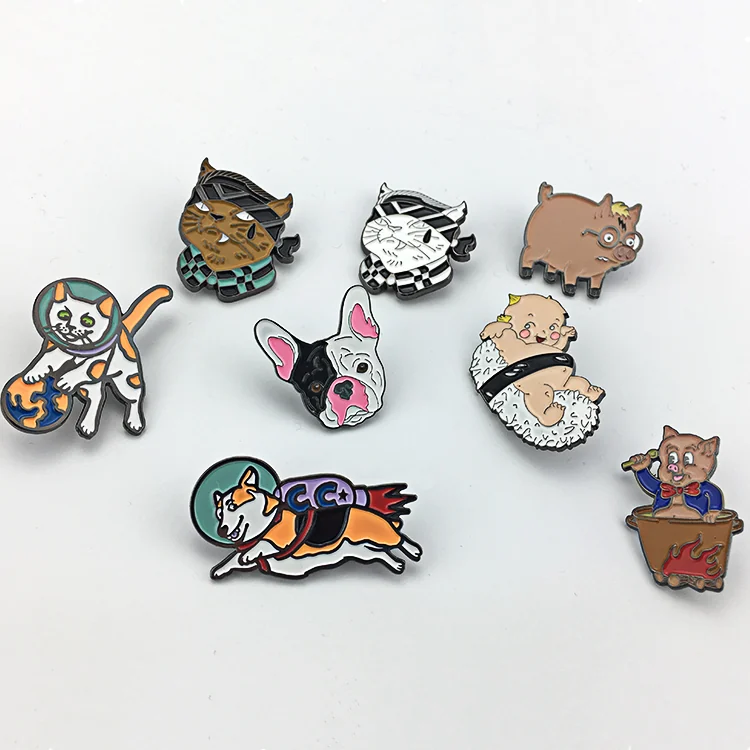
Custom lapel pins are used for brand merchandise, school clubs, sports teams, charity campaigns, corporate recognition, trade shows, tourism souvenirs and retail collections. Although the finished product is small, the production process includes many decisions: pin size, base metal, enamel type, plating color, back attachment, packaging and final inspection standards.
In real production, many problems start before the mold is made. Artwork may include lines that are too thin, text that is too small, color blocks that cannot be separated by raised metal borders or gradients that need printing rather than enamel filling. When these issues are reviewed early, buyers can reduce delays during sample approval and mass production.
Step 1: Define the Purpose and Application
Before choosing a pin style, define how the pins will be used. A low-cost event giveaway does not need the same finish as a retail collectible. A corporate anniversary pin may need a polished hard enamel surface, while a club badge may look better with soft enamel and strong metal outlines. The application should guide the technical choices.
- For trade shows and awareness campaigns, soft enamel pins are cost-effective and colorful.
- For premium retail or membership programs, hard enamel pins offer a smoother, more refined surface.
- For formal recognition, die-struck pins with gold, silver or antique plating can look cleaner and more professional.
- For complex artwork, printed pins or hybrid enamel plus printing may preserve small details better.
Step 2: Prepare Artwork That Can Be Manufactured
Most buyers start with a logo, mascot, badge design, slogan or hand sketch. A manufacturer then converts it into production artwork. The production file should define the final shape, size, raised metal outlines, enamel colors, plating, back attachment and any special details. If Pantone matching is required, share the Pantone number rather than relying only on colors displayed on a screen.
For enamel pins, metal lines separate color areas. If a design has very narrow gaps, tiny letters or many isolated color islands, the factory may suggest simplifying the design. This is not a reduction in quality. It is a manufacturing adjustment that helps the final pin look clean after stamping, polishing, plating and enamel filling.
Step 3: Choose the Right Pin Type
Soft Enamel Pins
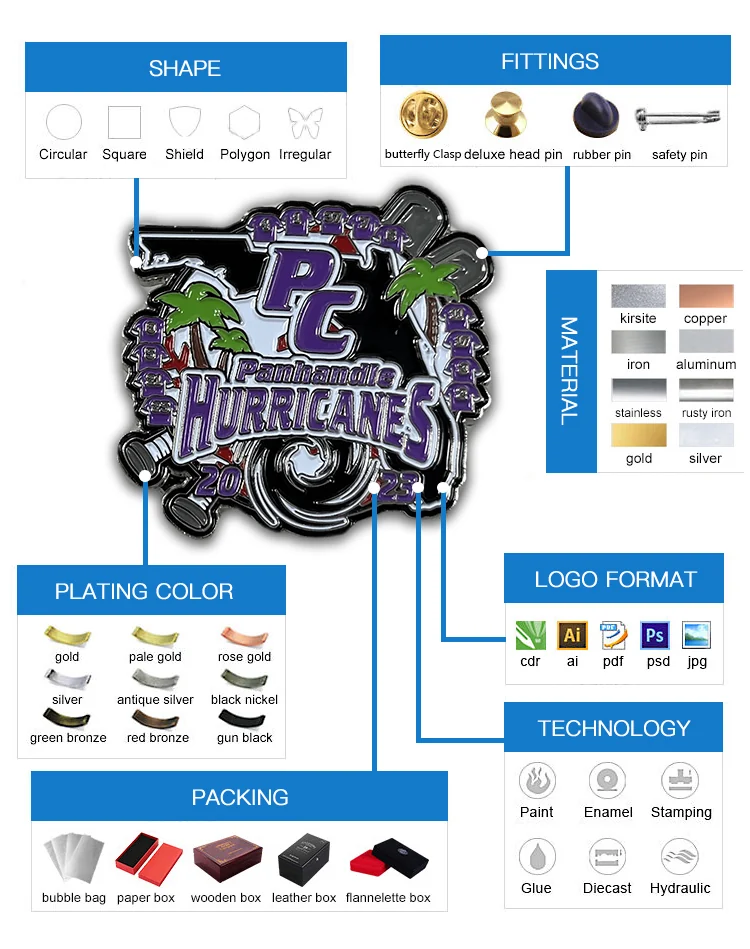
Soft enamel pins have raised metal lines and recessed color areas. They are widely used for promotional events, fan merchandise, school clubs and brand campaigns. The textured surface makes the metal details easy to feel by hand. Soft enamel is also practical when buyers need good visual impact at a controlled unit price. See the custom enamel pin options page when you are ready to compare styles for a real order.
Hard Enamel Pins
Hard enamel pins are filled and polished until the color sits level with the metal. The surface is smooth and usually offers better surface resistance during daily handling. This option is often chosen for retail products, corporate gifts and premium recognition pins. It usually costs more than soft enamel because of the additional polishing process.
Die-Struck and Printed Pins
Die-struck pins use raised and recessed metal without enamel color. They are suitable for formal logos, commemorative badges and clean corporate designs. Printed pins are useful for gradients, photographs, QR codes or artwork that is not practical to separate with metal lines. For complex designs, a factory may combine printing with epoxy coating for surface protection.
| Pin Type | Best For | Key Consideration |
|---|---|---|
| Soft Enamel | Events, clubs, awareness campaigns, bulk promotions | Textured surface, strong color separation, flexible pricing |
| Hard Enamel | Retail, corporate programs, premium merchandise | Smooth polished surface, higher perceived value |
| Die-Struck | Formal recognition, service pins, classic badges | No enamel color; relies on metal relief and plating |
| Printed Pin | Gradients, photos, fine artwork, QR codes | Requires print quality control and optional epoxy protection |
Step 4: Decide Size, Thickness, Plating and Attachment
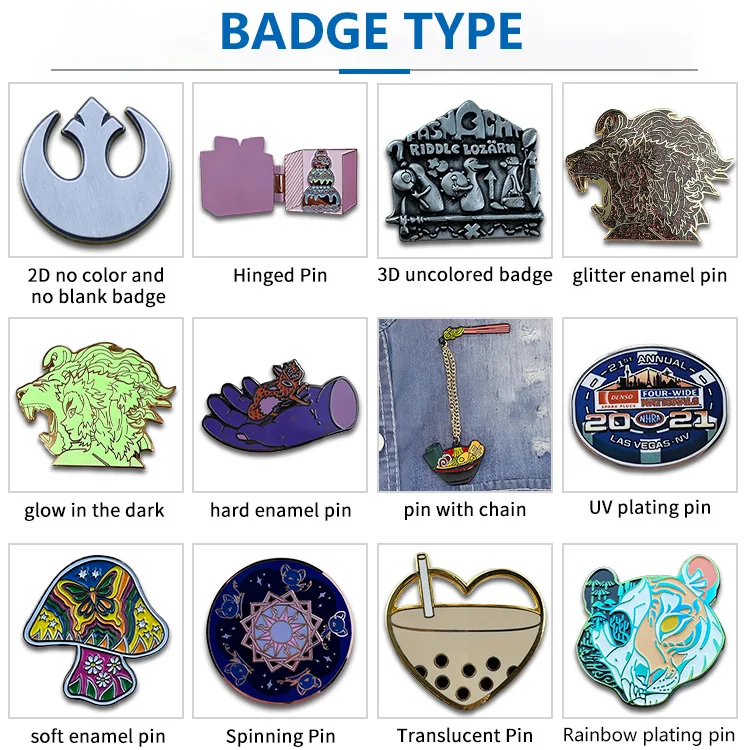
Custom lapel pin sizes commonly range from about 0.75 inch to 1.5 inches, depending on design complexity and use. Smaller pins are easy to wear, but tiny details may become unclear. Larger pins allow more artwork details but can feel heavy on thin fabric. For many brand and event projects, 1 inch to 1.25 inches is a practical starting range.
Plating changes the overall tone of the product. Gold and silver plating are common for bright, clean designs. Black nickel can make colorful enamel stand out. Antique gold, antique silver or antique bronze can add depth to raised metal details. Back attachments can include butterfly clutch, rubber clutch, locking clutch, safety pin, magnet or double posts for larger pins.
Need a Production Check Before Ordering?
Send your logo, target size, quantity and deadline. We can review whether your artwork is suitable for soft enamel, hard enamel, die-struck or printed pins.
Step 5: Confirm No MOQ, Sample Lead Time and Production Time
No MOQ gives buyers flexibility for small or bulk custom pin projects. For custom-molded products, mold fees and unit prices are calculated by project, and buyers should expect a sample approval step. Sample lead time is usually counted in business days after artwork confirmation, while mass production depends on quantity, finish and factory schedule. Urgent event orders should share the required delivery date at the first inquiry, not after the sample is approved.
A clear inquiry should include design file, size, quantity, pin type, plating, backing, packaging, destination country and deadline. These details help the factory quote accurately and avoid repeated clarification. If the buyer only asks for "custom pin price" without specifications, the quotation can only be rough.
Step 6: Review the Sample Before Mass Production
The pre-production sample is the buyer's chance to check whether the design has been translated correctly into metal. Review the shape, color, plating, enamel filling, logo readability, back attachment and overall feel. If changes are needed, confirm them clearly before mass production begins. Once the mold and sample are approved, changing the size or a major design structure may require extra cost and time.
In real factory testing, the sample should also be checked for plating defects, rough edges, loose or weak posts and color deviation from the approved artwork or Pantone reference. For pins that will be sold in retail, packaging and backing cards should be reviewed together with the pin, because presentation affects perceived value.
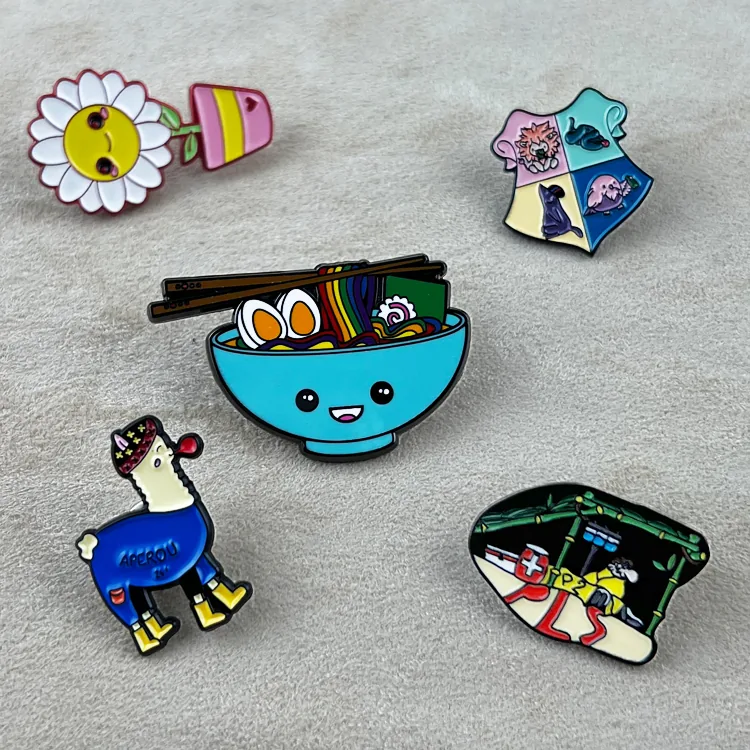
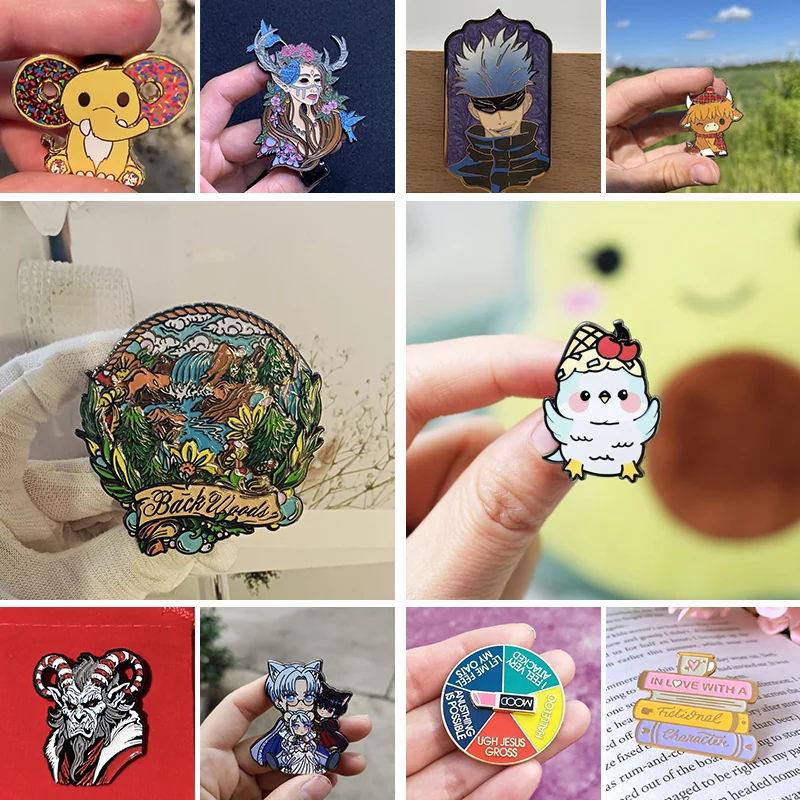
Step 7: Mass Production, Shipment Inspection and Packaging
After sample approval, the factory starts mass production. Quality control should not wait until the final carton is packed. Inspection during production can identify color filling issues, plating scratches, uneven polishing or attachment problems early. Final shipment inspection should verify quantity, color consistency, surface condition, attachment strength, packaging accuracy, carton labels and export packing quality.
Packaging options include individual poly bags, backing cards, velvet pouches, acrylic boxes, paper gift boxes and retail display packaging. For overseas orders, packaging should protect the pins during international shipment and match the buyer's distribution channel. A school event order may only need simple bags, while a retail collection may require printed backing cards with barcode labels.
Common Mistakes to Avoid
- Approving artwork without checking small text and thin lines.
- Choosing a very small pin size for a complex logo.
- Requesting exact color matching from screen colors alone instead of giving Pantone references.
- Ignoring back attachment choice until the final stage.
- Planning production without enough time for sample approval and shipping.
- Comparing price without confirming material, thickness, plating, packaging and inspection scope.
FAQ
How long does it take to make custom lapel pins?
Lead time depends on artwork approval, sample confirmation, quantity and shipping method. Buyers should allow time for design review, sample production, mass production, shipment inspection and international delivery.
Which is better for custom pins, soft enamel or hard enamel?
Soft enamel is often better suited to textured, colorful and cost-conscious projects. Hard enamel is usually better suited to smooth, premium and retail-oriented pins. The right choice depends on budget, application and desired finish.
Can I make custom lapel pins with No MOQ?
Yes. No MOQ gives buyers flexibility for small or bulk custom pin projects, but design complexity, mold requirements, material choice and production schedule still affect the quote. Mold fees and unit prices are calculated by project.
What should I send to get an accurate quote?
Send artwork, target size, quantity, pin type, plating color, back attachment, packaging needs, destination country and deadline. If you are unsure, send a reference image and explain how the pins will be used.
Conclusion
To make your own custom lapel pins successfully, start with a clear purpose, prepare manufacturable artwork, choose the right pin type and confirm technical details before production. A reliable custom lapel pin manufacturer should help review design feasibility, provide a sample for approval, control quality during production and inspect the finished goods before shipment.
The best results come from clear communication. Share your customer requirements, event date, application, packaging expectations and budget range early. This allows the factory to recommend a practical process instead of simply quoting the cheapest option.
Ready to Make Your Own Custom Lapel Pins?
Send your artwork, quantity and delivery deadline. Unique Pin can review the design, recommend suitable materials and prepare a clear quotation for custom lapel pins.