
Complete Guide to Custom Metal Crafts: From Design to Production
 By Sunny Huang
Custom metal products are no longer simple giveaway items. For brand promotion, corporate gifts, sports events, military recognition, school programs and souvenir markets, they help organizations turn a message into something durable and collectible. Working with an experienced custom metal crafts manufacturer matters because small decisions about artwork, material, plating, color and packaging can affect appearance, cost, delivery time and customer satisfaction. This guide explains how custom metal crafts are made, which product types fit different business needs, and what global B2B buyers should check before placing a bulk order.
What Are Custom Metal Crafts?
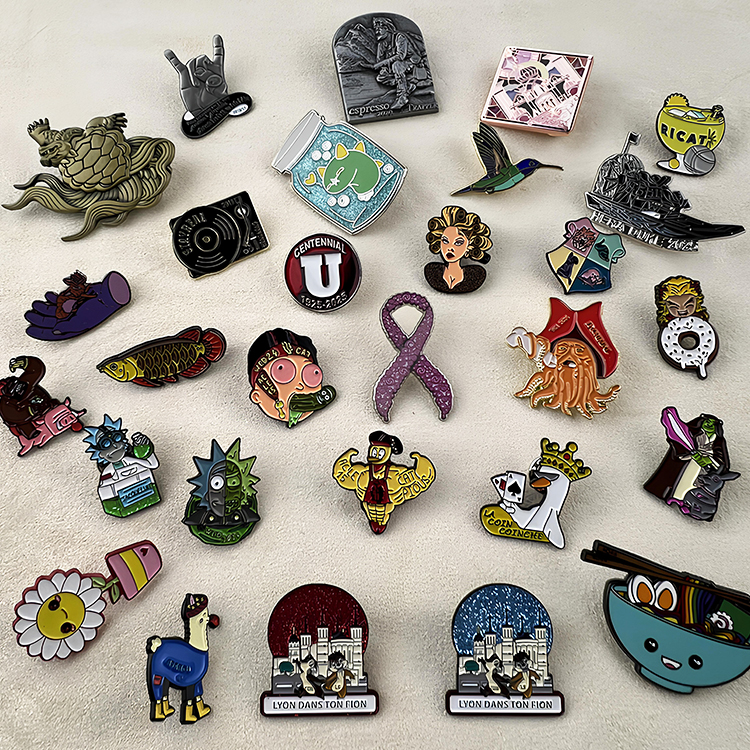
Custom metal crafts are made-to-order metal products produced from a buyer's logo, artwork, event theme, brand identity or product concept. They are usually manufactured from zinc alloy, iron, brass, copper, stainless steel or other metals, then finished with plating, enamel, printing, engraving or antique effects. Unlike standard promotional items, these products are shaped around a specific design, which makes them useful for brand storytelling, event recognition and retail collections.
Common custom metal crafts include enamel pins, medals, challenge coins, keychains, belt buckles, cufflinks, tie clips, hat pins and golf ball markers. Each category has different production requirements. A medal may need a ribbon and strong 3D relief, while a lapel pin may require accurate Pantone color matching and a polished retail backing card.
| Product Type | Application | Customization Options |
|---|---|---|
| Enamel Pins | Brand campaigns, clubs, retail merchandise | Soft enamel, hard enamel, die-struck, plating, back attachments |
| Custom Medals | Sports events, awards, school competitions | 3D relief, ribbon, antique finish, custom shape, engraving |
| Challenge Coins | Military units, corporate recognition, organizations | Double-sided design, edge style, enamel, numbering, presentation box |
| Metal Keychains | Promotional gifts, retail products, tourism souvenirs | Die casting, soft enamel, epoxy, bottle opener function, chain style |
| Belt Buckles & Accessories | Clubs, fashion brands, western events, formal gifts | Antique plating, logo relief, enamel fill, retail packaging |
Popular Metal Products for Business Orders
Enamel Pins for Brands and Events
Custom enamel pins are one of the most flexible products for brands, clubs, events and retail programs. Soft enamel pins have recessed color areas and a textured hand feel, making them practical for bold logos and cost-conscious campaigns. Hard enamel pins are polished smooth and often chosen for premium retail or corporate merchandise. Die-struck pins use raised and recessed metal without enamel color, creating a classic result for awards and formal recognition.
Medals for Awards and Competitions
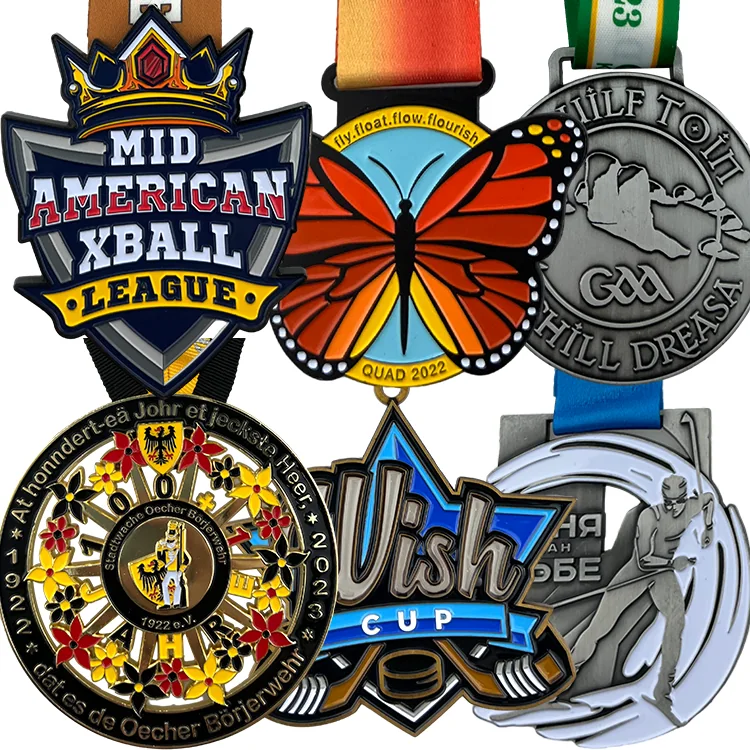
Custom medals are used for sports competitions, award ceremonies, charity events, schools, universities and commemorative programs. Buyers usually focus on size, weight, ribbon quality, plating color and whether the design needs 2D or 3D relief. A reliable custom medals supplier should help adjust the artwork so important details remain clear after molding and plating.
Challenge Coins for Recognition Programs
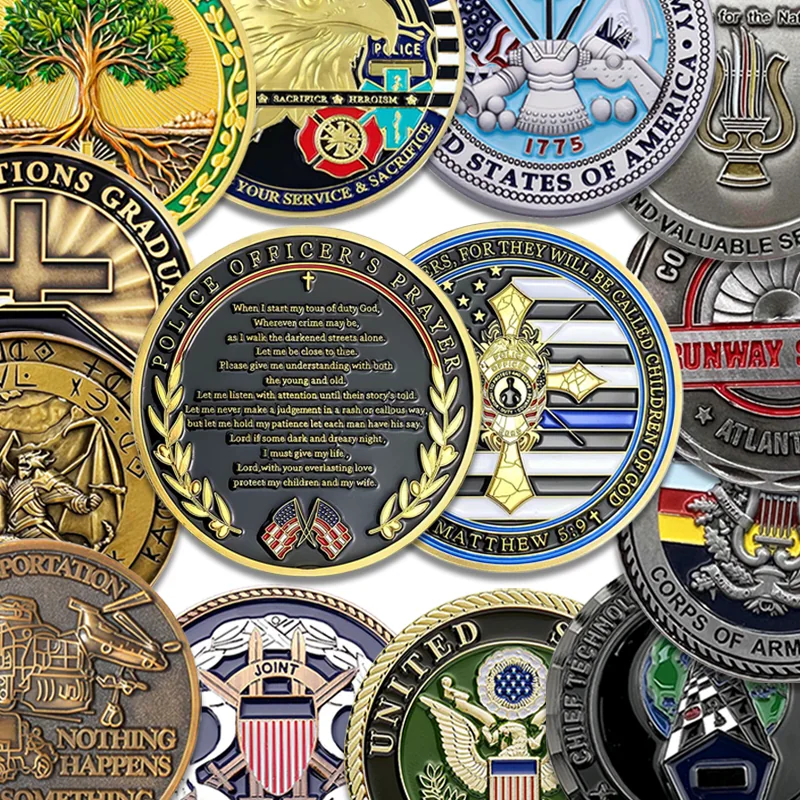
Challenge coins are popular with military groups, police and fire departments, corporate teams and membership organizations. They often include double-sided artwork, antique plating, edge text, numbering and presentation packaging. Because challenge coins are frequently kept for years, buyers should pay close attention to metal thickness, relief depth, enamel accuracy and edge finishing. If you want to understand the dedicated coin workflow, read our guide on how custom challenge coins are made.
Metal Keychains for Promotions and Retail
Custom metal keychains work well as promotional gifts, tourism souvenirs and retail accessories. They are easy to distribute, useful in daily life and can be produced in many shapes. Options include soft enamel, printed inserts with epoxy, die cast 3D designs, bottle opener functions and different chain attachments.
How Are Custom Metal Crafts Made?
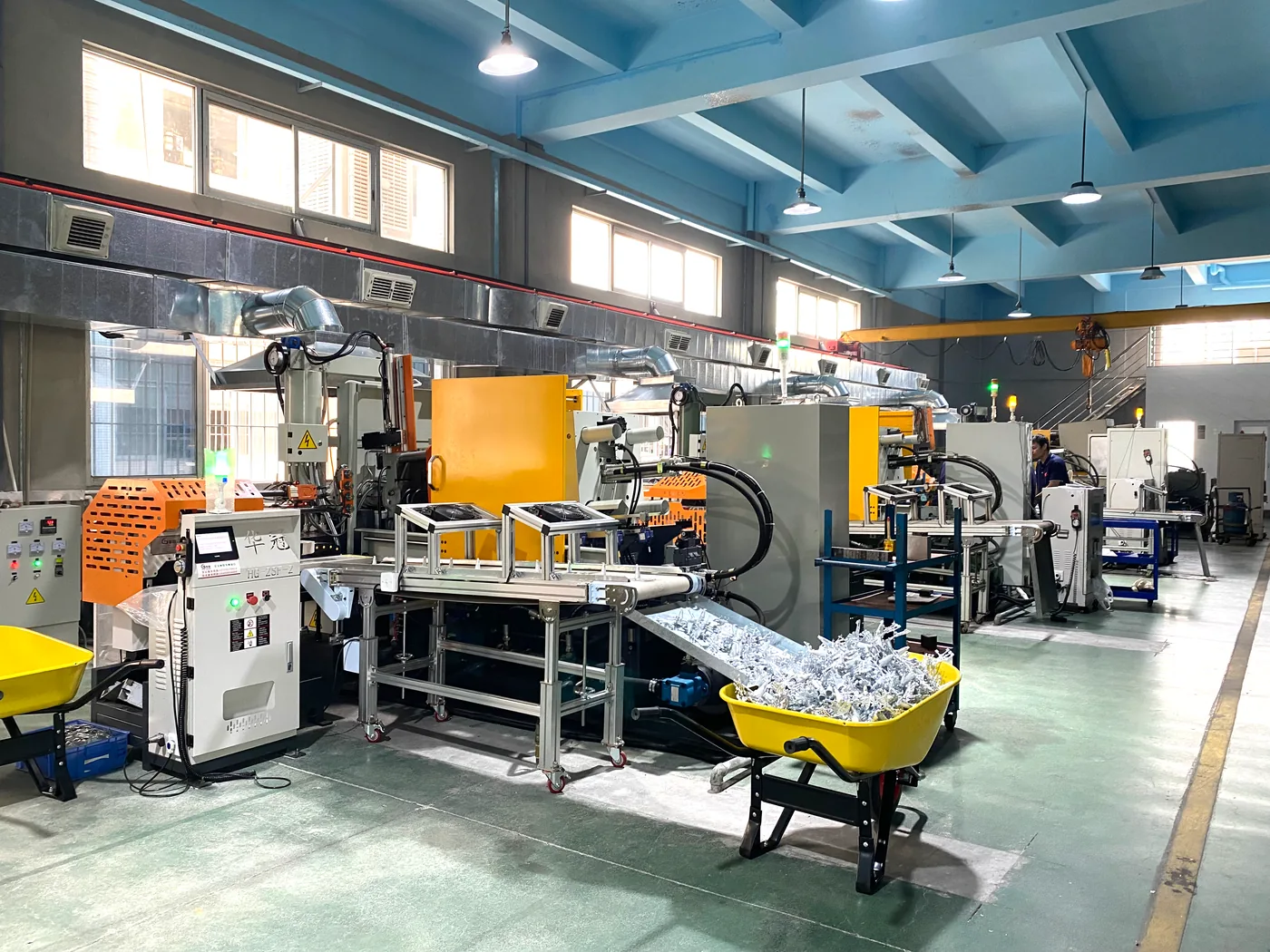
The custom metal crafts production process starts long before metal is formed. Good results depend on clear artwork review, correct mold planning and careful control at each manufacturing stage. A factory should not simply copy the buyer's file into production. It should check whether thin lines, small letters, complex gradients or narrow metal borders can be produced cleanly.
1. Design & Artwork Approval
Most projects begin when the buyer sends a logo, sketch, reference image or brand file. The factory converts the idea into production artwork and confirms size, shape, color, thickness, back attachment and packaging. At this stage, practical suggestions are important. For example, very small text may need to be enlarged, and a complex logo may need simplified metal lines so the final product remains clear.
- Confirm product size, shape and thickness before mold making.
- Check color requirements, including Pantone references when needed.
- Review attachment, ribbon, chain, backing card or box requirements.
2. Mold Creation
The mold determines the main shape and surface details of the item. For pins, medals and coins, the mold controls raised metal areas, recessed color zones, lettering and relief. A precise mold helps keep edges clean and details consistent across mass production. Mold quality is especially important for 3D medals, antique coins and products with small text or layered artwork.
3. Metal Forming & Surface Finishing
Depending on the product, the factory may use stamping, die casting or molding. Stamping is common for flat pins, medals and coins. Die casting is suitable for 3D shapes, thicker keychains and products with deeper structures. After forming, parts are trimmed, polished and prepared for plating. Surface finishing may include gold, silver, nickel, black nickel, copper, brass, rose gold or antique plating. Antique finishing is often used for challenge coins and medals because it highlights raised details and adds depth.
4. Coloring & Detailing
Coloring methods depend on the design and target price. Soft enamel is widely used for colorful pins and keychains. Hard enamel creates a smooth, durable finish for premium products. Printing is useful for gradients, photos, QR codes and fine details that cannot be separated by metal lines. Some products also use glitter, pearl enamel, transparent enamel, laser engraving, epoxy coating or serial numbering.
5. Quality Inspection & Packaging
Before shipment, a professional factory checks appearance, color, dimensions, plating quality, attachment strength and packaging. For B2B orders, consistency is often more important than one perfect sample. Buyers need products that look uniform across hundreds or thousands of pieces. Packaging may include poly bags, velvet pouches, acrylic boxes, paper boxes, display cards, ribbon assembly or retail-ready sets.
How to Choose a Reliable Custom Metal Crafts Manufacturer?
Choosing a supplier is not only about comparing unit prices. Procurement teams should look at production experience, engineering support, quality control, communication speed and the ability to handle repeat orders. A reliable OEM metal crafts supplier should understand both manufacturing limits and international buyer expectations.
Manufacturing Experience
Experience helps a factory identify production risks before they become costly problems. Ask whether the supplier has made similar products for promotional distributors, sports events, schools, military groups or retail brands. Product photos, case examples and clear process explanations are often more useful than broad claims.
Production Capability
Check whether the factory can support mold making, die casting, stamping, plating, enamel coloring, printing, inspection and packaging. A supplier with stronger in-house capability can usually control schedule and quality more reliably, especially for urgent or complex orders.
Quality Control
Quality control should include artwork review, pre-production confirmation, in-process inspection and final checking. Buyers should ask how the factory handles color matching, defective pieces, plating problems, packaging errors and pre-shipment inspection. Clear standards reduce disputes later.
No MOQ and Lead Time
No MOQ gives buyers flexibility for testing or limited projects, while lead time can vary by product type, mold complexity, quantity and finish. Mold fees and unit prices are calculated by project, and bulk pricing usually becomes more efficient at larger volumes. Always share the event date or launch deadline early so the supplier can plan production realistically.
Customization Ability
A good manufacturer should offer practical customization rather than only standard templates. Ask about metal options, plating, enamel types, printing, packaging, back attachments, ribbons, engraving and retail presentation. The more clearly options are explained, the easier it is to make a confident purchasing decision.
| Factor | What Buyers Should Check |
|---|---|
| Experience | Years in metal crafts, similar product cases, export order history |
| Capability | Mold making, stamping, die casting, plating, coloring and packaging support |
| Quality Control | Artwork checking, sample approval, final inspection and defect handling |
| Communication | Clear quotation, fast artwork feedback, realistic lead time and order updates |
| Customization | Material, finish, size, attachment, packaging and OEM branding options |
OEM Production Benefits for B2B Buyers
OEM custom metal products help buyers create items that are built around a real brand, event or sales program instead of a generic catalog design. For distributors, wholesalers and brand owners, OEM production makes it easier to control appearance, packaging, perceived value and repeat-order consistency.
- Create exclusive designs based on a logo, mascot, slogan or event theme.
- Match product details with brand color, packaging style and target market.
- Adjust material, finish and quantity to balance budget and product value.
- Support wholesale programs, seasonal campaigns and repeat customer orders.
Conclusion
Successful custom metal crafts depend on clear artwork, suitable materials, accurate molds, stable finishing and careful inspection. When buyers work with a professional custom metal crafts manufacturer, it becomes easier to turn a design idea into a durable product that fits the market, budget and delivery schedule. Share your design, quantity and deadline to receive a practical production recommendation.
Ready to Start a Custom Metal Crafts Project?
Send your logo, reference image, size, quantity and deadline. Our team can review the design, recommend a suitable process and prepare a clear quotation.